Para-Buster

Saturday, February 04, 2006

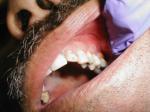
Tooth abscess

A tooth abscess is a collection of infected material (pus) resulting from bacterial infection of the center (pulp) of a tooth.

Alternative Names:Periapical abscess; Dental abscess; Tooth infection; Abscess - tooth Causes, incidence, and risk factors:

A tooth abscess is a complication of tooth decay. It may also result from trauma to the tooth, such as when a tooth is broken or chipped. Openings in the tooth enamel allow bacteria to infect the center of the tooth (the pulp).

Infection may spread out from the root of the tooth and to the bones supporting the tooth.Infection results in a collection of pus (dead tissue, live and dead bacteria, white blood cells) and swelling of the tissues within the tooth. This causes a painful toothache. If the root of the tooth dies, the toothache may stop, but the infection remains active and continues to spread and destroy tissue.

more info:

The acids in plaque dissolve the enamel surface of the tooth

The acids in plaque dissolve the enamel surface of the tooth and create holes in the tooth (cavities). Cavities are usually painless until they grow very large inside the tooth and destroy the nerve and blood vessels in the tooth. If left untreated, a tooth abscess can develop. Untreated tooth decay also destroys the internal structures of the tooth (pulp) and ultimately causes the loss of the tooth.

Sugars and Starches increase the risk of tooth decay. Sticky foods are more harmful than nonsticky foods because they remain on the surface of the teeth. Frequent snacking increases the time that acids are in contact with the surface of the tooth.

more info at: www.dredyclinic.com/

Plaque begins to accumulate on teeth within 20 minutes after eating

Plaque begins to accumulate on teeth within 20 minutes after eating (the time when most bacterial activity occurs). If this plaque is not removed thoroughly and routinely, tooth decay will not only begin, but flourish.

The acids in plaque dissolve the enamel surface of the tooth and create holes in the tooth (cavities). Cavities are usually painless until they grow very large inside the tooth and destroy the nerve and blood vessels in the tooth. If left untreated, a tooth abscess can develop. Untreated tooth decay also destroys the internal structures of the tooth (pulp) and ultimately causes the loss of the tooth.

Sugars and Starches increase the risk of tooth decay. Sticky foods are more harmful than nonsticky foods because they remain on the surface of the teeth. Frequent snacking increases the time that acids are in contact with the surface of the tooth.


more info at: www.dreddyclinic.com/

Dental cavities

Cavities are holes that damage the structure of teeth.

Alternative Names:
Caries; Tooth decay; Cavities - tooth

Causes, incidence, and risk factors:


Tooth decay is one of the most common of all disorders, second only to the common cold. It usually occurs in children and young adults but can affect any person. It is the most important cause of tooth loss in younger people.

Bacteria are normally present in the mouth. The bacteria convert all foods -- especially sugar and starch -- into acids. Bacteria, acid, food debris, and saliva combine in the mouth to form a sticky substance called plaque that adheres to the teeth. It is most prominent on the back molars, just above the gum line on all teeth, and at the edges of fillings. Plaque that is not removed from the teeth mineralizes into tartar. Plaque and tartar irritate the gums, resulting in gingivitis and ultimately periodontitis.

more info at: www.dreddyclinic.com/

How to prepare for the test:

Brush and floss your teeth thoroughly.

How the test will feel:
Your mouth may feel slightly dried out after use of the dye.

Why the test is performed:
The test is performed to help identify missed plaque and improve brushing and flossing of the teeth so that areas of plaque are not left. If the plaque is not removed, it can cause tooth decay or cause the gums to bleed easily (gingivitis) and become red or swollen.

more info at: www.dreddyclinic.com/

Dental plaque identification at home

This test identifies areas of dental plaque, which shows how thoroughly (or not) you are brushing and flossing your teeth. Plaque is a sticky substance, composed of millions of bacteria, which collects around and between teeth. It is the major cause of tooth decay and gum disease (gingivitis) and is hard to see because it is whitish colored, like teeth.

How the test is performed:


There are 2 methods to perform this test. One method is with disclosing tablets. One tablet is chewed thoroughly, moving the mixture of saliva and dye over the teeth and gums for about 30 seconds. The tablet contains a red dye that will color the plaque. The mouth is then rinsed with water and the teeth are examined to identify pink-stained areas (unremoved plaque). A small dental mirror may help to check all areas.

The second method is a plaque light. With this method, a special fluorescent solution is swirled around the mouth. The mouth is rinsed gently with water, and the teeth and gums are examined while shining an ultraviolet plaque light into the mouth. The advantage of this method is that it leaves no pink stains in the mouth.

However in the office, dentists are often able to detect plaque through a thorough examination with dental instruments.

more info at: www.dredyclinic.com/

Regular tooth cleaning by a dentist removes plaque

Regular tooth cleaning by a dentist removes plaque that may develop even with careful brushing and flossing, especially in areas that are difficult for you to reach on your own. Professional cleaning includes scaling and polishing. This uses various instruments or devices to loosen and remove deposits from the teeth. Routine examination may include dental x-rays.

The information provided herein should not be used during any medical emergency or for the diagnosis or treatment of any medical condition. A licensed physician should be consulted for diagnosis and treatment of any and all medical conditions. Call 911 for all medical emergencies. Links to other sites are provided for information only -- they do not constitute endorsements of those other sites. Copyright 2004 A.D.A.M., Inc. Any duplication or distribution of the information contained herein is strictly prohibited.

more info at: www.dreddyclinic.com/

Ask your dentist:

What toothbrush you should use, and where your problem areas are located.
How to properly floss your teeth. Overly vigorous or improper flossing may injure the gums.
Whether you should use any special appliances or tools, such as water irrigation or electric toothbrushes. These may sometimes help supplement (but not replace) brushing and flossing.
Whether you could benefit from particular toothpastes or mouth rinses. In some cases, over-the counter pastes and rinses may be doing you more harm than good, depending on your condition.

more info at: www.dreddyclinic.com/

Dental care - adult

Tooth decay and gum disease are largely caused by plaque, a sticky combination of bacteria and food. Plaque begins to accumulate on teeth within 20 minutes after eating. If this plaque is not removed thoroughly each day, tooth decay will flourish. Over time, plaque will harden into tartar.

Plaque and tartar lead to a number of problems:

  • Cavities -- holes that damage the structure of teeth
  • Gingivitis -- swollen, inflamed, bleeding gums
  • Periodontitis -- destruction of the ligaments and bone that support the teeth, often leading to tooth loss
  • Bad breath (halitosis)
  • Abscesses, pain, inability to use teeth

A variety of health problems outside the mouth, from preterm labor to heart diseaseHealthy teeth are clean and have few cavities. Healthy gums are pink and firm. To maintain healthy teeth and gums, follow these steps:

Brush your teeth at least twice daily, preferably after every meal and at bedtime.Floss at least once per day.

Schedule an appoint with a dentist for a routine cleaning and examination. Many dentists recommend having the teeth professionally cleaned every 6 months.Keep dentures, retainers, and other appliances clean. This includes regular brushing and may include soaking them in a cleansing solution.

Dr. Group's Secret to Health Kit

Dr. Group's Secret to Health Kit

$39.94
[ learn more ]

Add to Cart

Dr. Group's Secret to Health Kit offers simple at-home solutions for cleansing internally and externally thereby reducing toxins, restoring the body's natural healing process, and helping you achieve true health and happiness.

Advanced Body Cleansing Kit

Advanced Body Cleansing Kit

$147.75
[ learn more ]

Add to Cart

Advanced Body Cleansing Kit with Livatrex™, Oxy-Powder®, Latero-Flora™ and two bottles of ParaTrex®.