Soliton Lasers Unique Among Lasers
Soliton Lasers offers a unique laser designed to rejuvenate cells throughout the body. The purpose of a cold laser or low lvel laser is to donate energy for the purpose of cellular rejuvenation. This energy stimulates numerous healing benefits within the cell in much the same way that sunlight stimulates a garden.
There are many cells throughout the body and our lasers are designed to reach cells in different places within the body in a safe and effective way. To do this our lasers employ a number of key features which we will outline in this article.
Multiple wavelengths
Different nanometer wavelengths reach different parts of the body. Many lasers only give you red or infra red laser diodes, often only supplying you with one, two, three or four diodes. Our laser systems combine 14 laser diodes and 8 high powered LED’s, all configured at 9 different wavelengths for the purpose of reaching cells at different places in the body.
The laser wavelength or nanometer defines how far into the body the joules of energy or photons travel. It is important to have multiple laser wavelengths as there are multiple types of cells in the body and using multiple wavelengths reaches the numerous cells throughout the body.
As an example, there are different wavelengths for soft tissue, muscle and nerve cells. Fine tuning the specific nanometer of light brings energy more effectively to that particular cell.
The red lasers in the 600 nanometer range work very effectively for soft tissue, nerve, tendon, facial skin, energy meridians and much more. These wavelengths are very effective for cells on the outer part of the body.
Laser diodes in the 800 nanometer wavelengths are more effective for cells further in the body. These laser diodes are in the infra red spectrum which is barely visible and carries the photons further into the body. These laser diodes are very effective for bone, ligaments, cartilage, disc tissue, and teeth.
They have also been found to be very beneficial for enhancing bone density. The laser wavelengths define the spectrum or color of the laser diode and has the ability to carry energy to specific parts of the body. A good laser uses multiple laser diodes to reach as many types of cells in the body as it can for stimulating cellular rejuvenation. When combined with the use of frequency, the effect can be fine tuned for addressing specific conditions in the body.
Advanced frequency design
The frequency of a laser is introduced through the laser light. It is different than the laser wavelength. The frequency affects the cell in specific ways. For example, when using a laser on an injury, a frequency for enhancing cellular rejuvenation would be used. When dealing with stress, you would not want to use the same stimulating frequency—you would use the frequency for unwinding which is much more relaxing.
Our lasers come with unique programmed frequencies for injuries, pain relief, immune enhancement, unwinding stress, weight loss, facial rejuvenation, lymph activation, chakra balancing and much more.
We also offer free laser training with the purchase of a laser. Our training includes specific protocols for numerous conditions and a unique rejuvenation process for optimal health and well being.
STIMULATING LASERS AND RESONATING LASERS
Stimulating lasers work on the principle of donating energy or photons to the cell. These lasers often define the quality of their laser by the amount of energy or joules of output. While this is important, a well designed healing laser is not defined by power alone.
Resonating lasers combine multiple wavelengths, as discussed above, in order to cascade energy into the cell. This works on a unique principle called coherence which unwinds the stress from a condition and rejuvenates the cell's ability to interact with the vast reservoir of cells that make up the human body.
A well designed laser has the ability to perform two important functions: stimulation and unwinding. Lasers should stimulate cells when necessary for injury repair, pain relief, facial rejuvenation, immune enhancement, etc. They should also resonate or unwind cells throughout the body for stress relief, anti-aging, glandular and hormonal balance.
Our lasers systems have the Q1000 Resonating laser for unwinding work on injuries, skin, organs, glands, lymph and much more. The 660 Enhancer and the 808 Enhancers are for stimulating work on injuries, bone, teeth, acupuncture, smoking cessation and much more. This ability to reach any cell in the body makes our laser system unique among lasers.
Experience the difference of Soliton wave technology.
No other laser includes this state of the art quantum based technology. This technology offers profound healing, often going to the root of the problem. The results are literally, quantum. Our clients notice immediate results. This is a result of unwinding the condition of the insult or injury to the cell.
This is done by using state of the art technology combining multiple laser diodes, at different wavelengths along with specific frequencies and harmonics to induce higher dimensional wave forms called Soliton waves. These are the very same waves of energy that whales and dolphins use to communicate vast distances in the ocean.
Soliton lasers send energy into the body in much the same way, cascading energy great distances throughout the body. Soliton waves are coherent waves of energy that continue. Through synergy and coherence, these waves actually draw energy from the universe. The human body also works on principle of coherence.
Versatility There are many different types of lasers and many can be helpful.
Our Soliton Lasers are designed to be versatile. We combine the best laser physics with state of the art Soliton technology to provide safe and effective lasers.
They are designed for professionals and lay people alike and can be used effectively for a wide spectrum of uses.
Whether you are looking for a laser for pain relief, injury repair, chiropractic or are wanting to use it for laser facial rejuvenation, smoking cessation, acupuncture, immune enhancement, chakra healing, lymph rejuvenation or weight loss laser therapy, the Q1000 laser system is your best choice.
We can say this because our lasers rejuvenate cells. They are designed with multiple wavelengths, frequencies and soliton waves in order to effectively reach all of the different types of cells in the human body. This optimizes the bodies ability to rejuvenate.
The body is the most powerful healer and when its cells and systems are unstressed and functioning well, it grows more cells more effectively.
Friday, December 29, 2006


Rejuvenate your cells today with SOLITON LASERS
 About Lasers:
Healing lasers are often termed low level lasers, cold lasers or soft lasers.
This defines them as lower powered or non cutting lasers. Lasers can be very powerful so it is important when purchasing a laser to find one that is effective yet is not too powerful.
Our Soliton Lasers combine the newest advancements in physics with well designed soft lasers. Cold laser therapy with Soliton Lasers stimulate glands throughout the body to produce optimal vitality and harmony. Glands are key in the rejuvenation process and work with the lymphatic system to bring the body back into balance.
Laser Benefits:
- Pain Relief
- Healing Injuries
- Anti-aging
- Weight Loss
- Immune Enhancement
- Organ Balancing
- Glandular Rejuvenation
- Lymph Activation
- Chakra Balancing
- Nerve Regeneration
- Laser Acupuncture
- Laser Facelift
How Lasers Work:
Lasers work on the principle of donating energy. This energy, often defined as joules of energy or photons, benefits the cell in numerous ways.
It has been found to enhance the electron spin of the cell, which helps the DNA and increases the mitochondrial output of ATP. ATP is the energy of the cell which stimulates cellular rejuvenation.
All of this laser physics translates to cellular rejuvenation. Injuries heal when energy reaches the site and stimulates cells to grow more cells.
The laser offers this energy in the form of photons which in turn brings more blood flow, more oxygen, more electrons and more lymph—all of this enhances the cells ability to rejuvenate. It is very similar to the effect of sunlight on growing vegetables. The sunlight brings photons which stimulates vegetables to grow more cells.
The laser is an effective way to enhance the cells ability to grow.
WAVELENGTH
The laser wavelength or nanometer defines how far into the body the joules of energy or photons travel. It is important to have multiple laser wavelengths as there are multiple types of cells in the body and using multiple wavelengths reaches the numerous cells throughout the body.
As an example, there are different wavelengths for soft tissue, muscle and nerve cells. Fine tuning the specific nanometer of light brings energy more effectively to that particular cell.
The red lasers in the 600 nanometer range work very effectively for soft tissue, nerve, tendon, facial skin, energy meridians and much more. These wavelengths are very effective for cells on the outer part of the body.
Laser diodes in the 800 nanometer wavelengths are more effective for cells further in the body. These laser diodes are in the infra red spectrum which is barely visible and carries the photons further into the body. These laser diodes are very effective for bone, ligaments, cartilage, disc tissue, and teeth. They have also been found to be very beneficial for enhancing bone density.
The laser wavelengths define the spectrum or color of the laser diode and have the ability to carry energy to specific parts of the body.
A good laser uses multiple laser diodes to reach as many types of cells in the body as it can for stimulating cellular rejuvenation. When combined with the use of frequency, the effect can be fine tuned for addressing specific conditions in the body.
FREQUENCY
The frequency of a laser is introduced through the laser light. It is different than the laser wavelength. The frequency affects the cell in specific ways. For example, when using a laser on an injury, a frequency for enhancing cellular rejuvenation would be used. When dealing with stress, you would not want to use the same stimulating frequency—you would use the frequency for unwinding which is much more relaxing.
Our lasers come with unique programmed frequencies for injuries, pain relief, immune enhancement, unwinding stress, weight loss, facial rejuvenation, lymph activation, chakra balancing and much more. We also offer free trainings with the purchase of a laser.
Our training includes specific protocols for numerous conditions and a unique rejuvenation process for optimal health and well being.
STIMULATING LASERS AND RESONATING LASERS
Stimulating lasers work on the principle of donating energy or photons to the cell. These lasers often define the quality of their laser by the amount of energy or joules of output. While this is important, a well designed healing laser is not defined by power alone.
Resonating lasers combine multiple wavelengths, as discussed above, in order to cascade energy into the cell. This works on a unique principle called coherence which unwinds the stress from a condition and rejuvenates the cell ability to interact with the vast reservoir of cells that make up the human body.
A well designed laser has the ability to perform two important functions: stimulation and unwinding. Lasers should stimulate cells when necessary for injury repair, pain relief, facial rejuvenation, immune enhancement, etc. They should also resonate or unwind cells throughout the body for stress relief, anti-aging, glandular and hormonal balance.
There are many different types of lasers and many can be helpful. Our Soliton Lasers are designed to be versatile. We combine the best laser physics with state of the art Soliton technology to provide safe and effective lasers.They are designed for professionals and lay people alike and can be used effectively for a wide spectrum of uses.
Whether you are looking for a laser for injury repair or are wanting to use it for laser facial rejuvenation, smoking cessation, acupuncture, immune enhancement, chakra healing, lymph rejuvenation or weight loss laser therapy, the Q1000 laser system is your best choice. We can say this because our lasers rejuvenate cells.
They are designed with multiple wavelengths, frequencies and soliton waves in order to effectively reach all of the different types of cells in the human body. This optimizes the bodies ability to rejuvenate. The body is the most powerful healer and when its cells and systems are unstressed and functioning well, it grows more cells more effectively.
Tuesday, December 26, 2006
Health Tip: Helpful Hints for Flossing
 (HealthDay News) -- Flossing is an important part of good dental hygiene to help prevent gum disease and tooth decay.
Here are suggestions on how to floss properly, courtesy of the American Dental Hygienists' Association:
- Using about 18" of dental floss, wrap each end around your fingers until about 2" remains between your thumb and index finger.
- Gently slide the dental floss around each tooth, pulling the floss tight.
- Use a back and forth motion, and be sure to guide the floss around each tooth. Never force the floss between two teeth as you may damage gums -- gently ease the floss between teeth.
- Unwrap and rewrap the floss so that there is clean floss used on each tooth.
Saturday, December 23, 2006
AMALGAM REMOVAL - Correct & Incorrect Protocols
 International Academy of Oral Medicine and ToxicologyProtocol for Mercury/Silver Filling Removal[1]
International Academy of Oral Medicine and Toxicology
Protocol for Mercury/Silver Filling Removal[1]
Patient protection:
First in every concerned doctor's mind is the protection of the patient from additional exposure to mercury. This is especially true ofthe mercury-toxic patient. The mercury-toxic patient may have been exposed to varying amounts of mercury from diet, environment, employment or from mercury/silver dental fillings.
All forms are cumulative and can contribute to the body burden. The goal of this preferred procedure is to minimize any additional exposure of the patient, ourselves, or staff to mercury.
During chewing the patient is exposed to intraoral levels which areseveral times the EPA allowable air concentration.[2] During the removal or placement of amalgam the patient can be exposed to amounts which are a thousand times greater than the EPA allowable concentration.[3] Once the drill touches the filling, temperature increases, immediately vaporizing the mercury component of the alloy. There are 8 steps to greatly reducing everyone's exposure.
Step one Keep the fillings cool
1) All removal must be done under cold water spray with copious amounts of water. Once the removal has begun, the mercury vapour will be continuously released from the tooth.
2) Therefore, A high volume evacuator tip should be kept near the tooth (1/2 inch) at all times to evacuate this vapour from the area of the patient. Polishing amalgam can create very dangerous levels of mercury and should be avoided especially for the mercury toxic patient.
3) All patients having amalgam removed or placed should be provided with an alternative air source and instructed to not breathe through their mouth during treatment. A nasal hood such as is used with the nitrous oxide analgesia equipment is excellent.
Air is best and oxygen is acceptable although not required. If just air is used it should be clean and free of mercury vapour preferably from outside the dental office.
4) Particles of mercury alloy should be washed and vacuumed away as soon as they are generated. The filling should be sectioned and removed in large pieces to reduce exposure. At present the International Academy of Oral Medicine and Toxicology (IAOMT) has approved removal both with and without the use of a rubber dam.
Some evidence exists to support both views since high levels of mercury and amalgam particles can be found under the dam. All members are agreed that whether or not a rubber dam is used, the patient should be instructed to not breathe through their mouth or swallow the particles.
Some experts feel that it is better to remove the amalgam first and then apply the dam, if needed, for restorative procedures.
5) After the fillings have been removed, take off the rubber dam if one was used and lavage the patients mouth for at least 30 seconds with cold water and vacuum. Remove your gloves and replace them with a new pair. If a restorative procedure is next then reapply a new dam and proceed.
6) Immediately change patients protective wear and clean their face.
7) Consider appropriate nutritional support before, during and after removal.
8) Install room air purifiers or ionizers and fans for everyone's well being.
Staff protection OSHA [4,5] requires that employees be given written informed consent before the use of any toxic chemicals, of which mercury is one. Elemental mercury vapor is one of the most toxic forms of mercury and should not breathed. Women of child bearing age should be exposed to no more than 10% of the OSHA MAC [6]. Women who are pregnant should be exposed to no mercury.[7] If you use mercury or remove mercury in any form, the National Institute of Occupational Safety and Health (NIOSH) has recommended that your employees be medically monitored annually.
9) Any mercury exposure requires that the employee wear an approved mercury filter mask. An approved mask is appropriate for wearing during all dental procedures which will expose you or your staff to mercury.[8]
The manner in which dentists operate their equipment dramaticallyaffects the amount of mercury released. Never drill on mercury high dry.
It is hazardous to you, your staff, and your patient. Levels as high as4000 mg/M3 have been measured 18" from the drill when using high dry. Levels over 1000 mg/M3 are measurable upon opening an amalgam mixing capsule.
One out of 7 Californian dental offices tested over the OSHA TWA safety limit of 50 mg/M3. 100% of the vacuum cleaner exhaust tested over 100 mg/M3. Any office where mercury is used should be tested regularly and staff should be monitored for exposure. Testing services are available and a mercury sensor badge is available for personnel monitoring. They should test inside storage areas and along baseboards, where mercury might have dropped. Office spills can go undetected for years and are extremely hazardous.
REFERENCES[1] IAOMT Standards of Care Preferred Procedure Approved 9/27/92[2] EPA United States Environmental Protection Agency Office of Health and Environment Assessment Mercury health effects update Final Report EPA-600/8-84-019F 1971 EPA[3] Cooley RL, Barkmeier WW: Mercury vapour emitted during ultraspeed cutting of amalgam. J Indiana Dent Assoc 57:28-31, 1978[4] OSHA Job Health Series: Mercury.(2234)8/1975[5] Hazard Communication Program Federal Register/ Vol. 52. No. 163 / Monday, August 24, 1987[6] OSHA MAC is Threshold Limit Value of 100 micrograms/ cubic meter or 100 PPM This is a never to be exceeded standard.[7] Koos BJ and Lango LD , Mercury Toxicity in the pregnant woman, foetus, and newborn infant. A review Am J Obstetrics and Gynaecology, 126(3):390-409, 1976[8] Mine Safety Association high levels and 3M mercury dust mask lower levelsa) Patient Preparation for Amalgam Removal
AMALGAM REMOVAL PREPARATION WARNING: When the body is exposed to amalgam mercury it has an on-going need for detoxification and healing processes. If you have a medical condition, then hormones and enzymes the body needs to heal have likely been depleted by this on-going detoxification and healing process.
So before your amalgam restorations are removed, blood testing should be performed to determine what hormones and enzymes are deficient. Based on the blood test results a medical doctor can evaluate what nutritional and hormonal supplements are needed to prepare the body. After amalgams are removed, the healing usually accelerates, so there will be an even greater demand for the hormones and enzymes that were depleted. So a patient with a medical condition should take nutritional and hormonal supplements before, during and after amalgam removal.
b) Dental Procedures for Patient Protection During Amalgam Removal
IAOMT Standards of Care, Preferred Procedure, "Reducing Mercury Vapor Exposure for the Patient During Amalgam Removal." (September 1992)
The IAOMT has currently established the following amalgam removal protocols. If these protocols are followed, the amount of mercury released into the body during amalgam removal is reduced.
Place a rubber dam around the tooth to isolate it from the body.
Provide an alternative source of air to the patient.
Place a saliva ejector under the dam to remove mercury vapour that penetrates the latex.
Use high volume evacuation with isolate attachment.
Section amalgams and remove in as large pieces as possible.
Remove and properly dispose of rubber dam and mercury after amalgam removal.
Other amalgam removal precautions in addition to the protocols listed above include:
Remove no more than two amalgams per appointment.
Time amalgam removal appointments at least one month apart.
Administer intravenous Vitamin C before removal (Hg has a greater affinity to Vitamin C that is present in the blood than it does for body tissue).
Do not remove amalgams from a pregnant woman.
Further information pertaining to proper amalgam removal can be found on the web page:
http://www.holisticmed.com/dental/amalgam/iaomt.txt
c) Amalgam Removal without Patient Protection
This study measures the mercury level when amalgams are removed not following the protocols presented above.
Molin, M., Bergman B., Marklund, S.L., Schutz, A., Skerfving, S., "Mercury, Selenium, and Glutathione Peroxidase Before and After Amalgam Removal in Man" Acta Odontal Scandinavia; 48:189-202. Oslo. ISSN 0001-6357 (1990).
ABSTRACT: In 10 healthy persons all amalgam fillings were replaced with gold inlays. Blood and urinary levels were measured on 10 occasions during a 4-month period before and a 12-month period after amalgam removal. These variables were also measured three times in 10 healthy controls. A strong statistically significant relation was found between plasma mercury values and both the total number of amalgam surfaces (r=0.71, p=0.0006) and the total surface area of the fillings (r=0.73, p=0.004). In the immediate post removal phase plasma mercury rose by three- to four-fold, whereas the urinary and erythrocyte mercury rose about 50%. These peak values declined to the pre-removal level at about 1 month after removal.
Twelve months after the removal plasma and urinary mercury levels were reduced to 50% and 25%, respectively, of the initial values for the experimental group. Apart from the significantly lower plasma selenium values 5 and 10 days after removal no significant differences were found with regard to plasma selenium or erythrocyte glutathione peroxidase either within or between the experimental and the control groups. A large number of supplementary biochemical analyses did not show any influence on organ functions or any differences between the groups before or after the amalgam removal. Amalgam fillings considerably contributed to the plasma and urinary mercury levels.
d) Amalgam Removal with Patient Protection
This study measures the mercury level when amalgams are removed when not following the IAOMT protocols presented above.
Molin, M., Berglund, J.R., Mackert, J.R., "Kinetics of Mercury in Blood and Urine after Amalgam Removal." J. Dental Research, 74:420,IADR abstract 159, (1995).
ABSTRACT: Even through a number of studies have not been able to reveal any correlation between subjective symptoms and amalgam load, there are still speculations as to whether patients with subjective symptoms related by the patients themselves to their amalgam fillings could have a changed pattern of elimination of mercury. The aim of the present investigation was to study the elimination half-time of mercury in plasma, erythrocytes and urine over an extended period of time after amalgam removal in a group of 10 patients with subjective symptoms by the patients themselves referred to their amalgam fillings and a group of 8 healthy subjects. The average number of occlusal and total amalgam surfaces in the patient group were 13.0 (range 4-20) and 44.4 (range 24-68), respectively. Corresponding figures in the control group were 12.9 (range 10-16) and 40.9 (range 24-63).
The amalgam removal using rubber dam, water spray cutting and high volume vacuum evacuator, was carried out at one and the same time. Blood and urine samples were collected at two occasions before the amalgam removal, then blood was collected at thirty two occasions and urine at forty three occasions during the following year. The mercury content was analyzed by CVAAS technique.
The measured P-, Ery- and U-Hg concentrations before amalgam removal were slightly higher in the control group (6.43.3 nmol/L, 19.46.6 nmol/L, and 2.71.3 nmol/nmol) creatinine respectively than in the symptom group (5.61.8 nmol/L, 14.88.8 nmol/L, and 1.60.9 nmol/nmol) creatinine respectively.
The Hg-concentrations did not significantly increase in the two groups after amalgam removal. Six days after the removal the plasma mean concentration was significantly decreased at P level and ten days after the decrease was at a permanent P level. The mean Ery-Hg level was significantly decreased after eleven days (p), a level that remained stable for the rest of the year. The mean U-Hg level was significantly decreased to one month after the removal and after six months the mean level was reduced with 80 % compared to the initial level in both groups.
The conclusion to be drawn for the present study is that the symptom group did not have a changed pattern of elimination of mercury compared to the healthy group.
Begerow, J., Zander, D., Freier, I., Dunemann, L. "Long-Term Mercury Excretion in Urine After Removal of Amalgam Fillings" International Arch. Occupation Environmental Health 66:209-212 (1994).
ABSTRACT: The long-term urinary mercury excretion was determined in seventeen 28- to 55-year old persons before and at varying times (up to 14 months) after removal of all (4-24) dental amalgam fillings. Before removal the urinary mercury excretion correlated with the number of amalgam fillings. In the immediate post-removal phase (up to 6 days after removal) a mean increase of 30 percent was observed. Within 12 months the geometric mean of the mercury excretion was reduced by a factor of five from 1.44ug/g (range: 0.57 to 4.38ug/g) to 0.35 ug/g (range: 0.13 to 0.88 ug/g).
The exposure from amalgam fillings thus exceeds the exposure from food, air and beverages. Within 12 months after removal of all amalgam fillings the participants showed substantially lower urinary mercury levels which were comparable to those found in subjects who have never had dental amalgam fillings. A relationship between the urinary mercury excretion and adverse effects was not found. Differences in the frequency of effects between the pre- and post-removal phase were not observed.
DISCUSSION: The initial urinary mercury concentrations (before amalgam removal) were similar to those found in previous studies in people with amalgam fillings while the final values (12 months after amalgam removal) were comparable to those for people who have never had amalgam fillings.Our results are in excellent agreement with those of Molin et. al., who found a 75 percent reduction in urinary mercury levels within 12 months after amalgam removal. In accordance with the findings in this study, Molin also found a 50 percent increase in the urinary mercury excretion in the immediate post-removal phase.
Elligsen et. al. and Roels et. al. monitored the urinary mercury excretion after cessation of occupational exposure in a chloralkali plant. The biological half-life was calculated to be 91 days and 90 days, respectively. Both groups of authors concluded that the elimination rate after cessation of mercury exposure seems to be monophasic. This is in agreement with the results of this study based on dental exposure levels.The present study indicates that in persons with amalgam fillings on an average about 80 percent of the urinary mercury excretion is caused by the release from dental amalgam. Thus the inorganic mercury exposure form this source far exceeds the exposure from all other enviornmental sources (food, water, beverages, air).
e) Pregnancy Precaution
The formation of a foetus is very much at risk to mercury in its mother's blood, so the continuous release of mercury from amalgam restorations may be responsible for a portion of the birth defects seen in our society today. When an amalgam filling is removed or an amalgam-filled tooth is extracted, a surge of mercury may be released into the bloodstream. Women should have their amalgam fillings removed at least one year in advance of when they intend to become pregnant and discuss the risk with an informed medical doctor or dentist. Women should never have amalgam fillings removed during a pregnancy.
f) Patient Reports
Siblerud, R.L. "Health Effects After Dental Amalgam Removal" Journal of Orthomolecular Medicine. Vol. 5, No. 2, (1990).
SUMMARY: A Utah dentist provided the names and addresses of approximately 300 people who had their amalgams removed. A health questionnaire was sent to these people; 86 subjects responded. Eighty (80) % of the subjects reported that they felt better following amalgam removal. Nearly all of the subjects (91%) said they were glad their amalgams had been removed and 88% said they would do it again. An increase in happiness and peace of mind was experienced by 58% of the subjects. This evidence suggests that the well being of these subjects improved immensely after amalgam removal.
Mary Davis editor "Solving the Puzzle of Mystery Syndromes" Hot Off the Press Printing Co. 2000
SUMMARY: This book presents patient-reported case histories, where they associate their health problems with dental amalgam mercury. Case histories include: Chronic Fatigue Syndrome, Seizures, Memory Loss, Migraines, Multiple Allergies, Multiple sclerosis, Depression, Lupus, Maldigestion, Chemical Sensitivities, Insomnia, Miscarriages, Paralysis, Sinus Problems, Emotional & Mental Disorders, Infertility, Endometriosis, Crohn's Disease, Rashes, Anxiety, Tremors & Spasms, Amyotrophic Lateral Sclerosis, Universal Reactor and many others.......
MERCURY IS A DEADLY POISON!
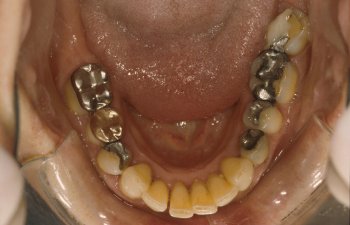 It is surprising how the controversy regarding mercury still continues even though the research indicating that it is a lethal poison is accumulating rapidly.
This research has shown how detrimental mercury can be to the developing foetus, the newborn, the developing child and the adult.
My intention here is to present a few research studies that will show the various detrimental effects of mercury at all stages of life.
Is there a correlation between the number of amalgams and the amount of mercury excreted in the urine after provocation?
ABSTRACT:
There is a considerable controversy as to whether dental amalgams may cause systemic health effects in humans because they liberate elemental mercury. Most such amalgams contain as much as 50% metallic mercury.
To determine the influence of dental amalgams on the mercury body burden of humans, we have given volunteers, with and without amalgams in their mouth, the sodium salt of 2, 3-dimercaptopropane-1-sulfonic acid (DMPS), a chelating agent safely used in the Soviet Union and West Germany for a number of years. The diameters of dental amalgams of the subjects were determined to obtain the amalgam score.
Administration of 300 mg DMPS by mouth increased the mean urinary mercury excretion of the amalgam group from 0.70 to 17.2 ug and that of the non amalgam group from 0.27 to 5.1 ug over a 9 hour period.
Two-thirds of the mercury excreted in the urine of those with dental amalgams appears to be derived originally from the mercury vapor released from their amalgams.
Linear regression analysis indicated a highly significant positive correlation between the mercury excreted in the urine 2 hours after DMPS administration and the dental amalgam scores. DMPS can be used to increase the urinary excretion of mercury and thus increase the significance and reliability of this measure of mercury exposure or burden, especially in cases of micromercurialism.
Aposhian, H.V., D.C. Bruce, W. Alter, R.C. Dart, K.M. Hurlbut, M.M. Aposhian, "Urinary Mercury after Administration of 2, 3-dimercaptopropane-1-sulfonic acid: Correlation with Dental Amalgam Score" FASEB J. 6: 2472-2476; (1992).
Can dental mercury release from the mother be detected in the foetus?
ABSTRACT:
In humans, the continuous release of Hg vapour from dental amalgam tooth restorations is markedly increased for prolonged periods after chewing. The present study establishes a time-course distribution for amalgam, Hg in body tissues of adult and foetal sheep. Under general anaesthesia, five pregnant ewes had twelve occlusal amalgam fillings containing radioactive 203Hg placed in teeth at 112 days gestation.
Blood, amniotic fluid, faeces, and urine specimens were collected at 1- to 3-day intervals for 16 days. From days 16-140 after amalgam placement (16-41 days for foetal lambs), tissue specimens were analyzed for radioactivity, and total Hg concentrations were calculated. Results demonstrate that Hg from dental amalgam will appear in maternal and foetal blood and amniotic fluid within 2 days after placement of amalgam tooth restorations.
Excretion of some of this Hg will also commence within 2 days. All tissues examined displayed Hg accumulation. Highest concentrations of Hg from amalgam in the adult occurred in kidney and liver, whereas in the foetus the highest amalgam Hg concentrations appeared in the liver and pituitary glands. The placenta progressively concentrated Hg as gestation advanced to term, and milk concentration of amalgam Hg postpartum provides a potential source of Hg exposure to the newborn. It is concluded that accumulation of amalgam Hg progresses in maternal and foetal tissues to a steady state with advancing gestation and is maintained.Vimy, M.J., Y. Takahashi, and F.L. Lorscheider "Maternal-foetal distribution of mercury (203Hg) released from dental amalgam fillings." Am. J. Physiol. 258 (Regulatory Integrative Comp. Physiol. 27): R939-R945 (1990).
Can in utero exposure to mercury cause behavioural disturbances?
ABSTRACT:
Pregnant rats were either 1) administered methyl mercury (MeHg) by gavage, 2 mg/kg/day during days 6-9 of gestation, 2) exposed by inhalation to metallic mercury (Hg) vapour (1.8 mg/m3 air for 1.5 hours per day) during gestation days 14-19, 3) exposed to both MeHg by gavage and Hg vapour by inhalation (MeHg + Hg), or 4) were given combined vehicle administration for each of the two treatments (control).
The inhalation regimen corresponded to an approximate dose of 0.1 mg Hg/kg/day.Clinical observations and developmental markers up to weaning showed no differences between any of the groups. Testing of behavioural functions was performed between 4 and 5 months of age and included spontaneous motor activity, spatial learning in a circular path, and instrumental maze learning for food reward.
Offspring of dams exposed to Hg vapour showed hyperactivity in the motor activity test chambers over all three parameters: locomotion, rearing and total activity; this effect was potentiated in the animals of the MeHg + Hg group. In the swim maze test, the MeHg + Hg and Hg groups evidenced longer latencies to reach a submerged platform, which they had learned to mount the day before, compared to either the control or MeHg group.
In the modified, enclosed radial arm maze, both the MeHg + Hg and Hg groups showed more ambulations and rearings in the activity test prior to the learning test. During the learning trial, the same groups (i.e., MeHg + Hg and Hg) showed longer latencies and made more errors in acquiring all eight pellets.Fredriksson, A., Dencker, L., Archer, T., Danielsson, B.R. "Prenatal Coexposure to Metallic Mercury Vapor and Methyl Mercury Produce Interactive Behavioral Changes in Adult Rats." Neurotoxicol Teratol., 18(2): 129-34, (1996).
ABSTRACT: The total mercury concentrations in the liver (Hg-L), the kidney cortex (Hg-K) and the cerebral cortex (Hg-C) of 108 children aged 1 day- 5 years, and the Hg-K and Hg-L of 46 foetuses were determined. As far as possible, the mothers were interviewed and their dental status was recorded.
The results were compared to mercury concentrations in the tissues of adults for the same geographical area. The Hg-K (n=38) and Hg-L (n=40) of foetuses and Hg-K (n=35) and Hg-C (n=35) of older infants (11-50 weeks of life) correlated significantly with the number of dental amalgam fillings of the mother. The toxicological relevance of the unexpected high Hg-K of older infants from mother with higher numbers of dental amalgam fillings is discussed. Conclusion: Future discussion on the pros and cons of dental amalgam should not be limited to adults or children with their own amalgam fillings, but also include foetal exposure.
The unrestricted application of amalgam for dental restorations in women before and during the child-bearing age should be reconsidered. Abbreviations: Hg-C total mercury concentration in the cerebral cortex (ng/g wet weight). Hg-K total mercury concentration in the renal cortex (ng/g wet weight). Hg-L total mercury concentration in the liver (ng/g wet weight).Drasch et. al. "Mercury Burden of Human Fetal and Infant Tissues" European Journal of Pediatrics (August 1994).
Can mercury amalgam from lactating mothers affect the foetus in utero?
ABSTRACT: Neonatal uptake of Hg from milk was examined in a pregnant sheep model, where radioactive mercury (Hg203)/silver tooth fillings (amalgam) were newly placed. A crossover experimental design was used in which lactating ewes nursed foster lambs. In a parallel study, the relationship between dental history and breast milk concentration of Hg was also examined.Results from the animal studies showed that, during pregnancy, a primary fetal site of amalgam, Hg concentration is in the liver, and after delivery the neonatal lamb kidney receives additional amalgam Hg from mother's milk.
In lactating women with aged amalgam fillings, increased Hg excretion in breast milk and urine correlated with the number of fillings or Hg vapor concentration levels in mouth air.It was concluded that Hg originating from maternal amalgam tooth fillings transfers across the placenta to the fetus, across the mammary gland into milk ingested by the newborn and ultimately into neonatal body tissues.
Comparisons are made to the U.S. minimal risk level recently established for adult Hg exposure. These findings suggest the placement and removal of "silver" tooth filings in pregnant and lactating humans will subject the fetus and neonate to unnecessary risk of Hg exposure.Vimy, M.J., Hooper, D.E., King, W.W., Lorscheider, F.L., "Mercury from Maternal "Silver" Tooth Fillings in Sheep and Human Breast Milk: A Source of Neonatal Exposure" Biological Trace Element Research, 56:143-52, (1997).
Can heavy metals affect human fertility?
ABSTRACT: Heavy metals have been identified as factors affecting human fertility. This study was designed to investigate whether the urinary heavy metal excretion is associated with different factors of infertility.
The urinary heavy metal excretion was determined in 501 infertile women after oral administration of the chelating agent 2,3-dimercaptopropane-1-sulfonic acid (DMPS). Furthermore, the influence of trace element and vitamin administration on metal excretion was investigated. Significant correlations were found between different heavy metals and clinical parameters (age, body mass index, nationality) as well as gynaecological conditions (uterine fibroids, miscarriages, hormonal disorders).
Diagnosis and reduction of an increased heavy metal body load improved the spontaneous conception chances of infertile women. The DMPS test was a useful and complementary diagnostic method. Adequate treatment provides successful alternatives to conventional hormonal therapy.Gerhard, I., Monga, B., Waldbrenner, A., Runnebaum, B., "Heavy Metals and Fertility" Journal of Toxicology and Environmental Health, Part, A, 54:593-611, (1998).
Is mercury associated with cardiac dysfunction?
OBJECTIVES: We sought to investigate the possible pathogenetic role of myocardial trace elements (TE) in patients with various forms of cardiac failure.BACKGROUND: Both myocardial TE accumulation and deficiency have been associated with the development of heart failure indistinguishable from an idiopathic dilated cardiomyopathy.
METHODS: Myocardial and muscular content of 32 TE has been assessed in biopsy samples of 13 patients (pts) with clinical, hemodynamic and histologic diagnosis of idiopathic dilated cardiomyopathy (IDCM), all without past or current exposure to TE.
One muscular and one left ventricular (LV) endomyocardial specimen from each patient, drawn with metal contamination-free technique, were analyzed by neutron activation analysis and compared with
1) similar surgical samples from patients with valvular (12 pts)and ischemic (13 pts) heart disease comparable for age and degree of LV dysfunction;
2) papillary and skeletal muscle surgical biopsies from 10 pts with mitral stenosis and normal LV function, and
3) LV endomyocardial biopsies from four normal subjects.
RESULTS: A large increase (>10,000 times for mercury and antimony) of TE concentration has been observed in myocardial but not in muscular samples in all pts with IDCM.
Patients with secondary cardiac dysfunction had mild increase (< or = 5 times) of myocardial TE and normal muscular TE. In particular, in pts with IDCM mean mercury concentration was 22,000 times (178,400 ng/g vs. 8 ng/g), antimony 12,000 times (19,260 ng/g vs. 1.5 ng/g), gold 11 times (26 ng/g vs. 2.3 ng/g), chromium 13 times (2,300 ng/g vs. 177 ng/g) and cobalt 4 times (86,5 ng/g vs. 20 ng/g) higher than in control subjects.
CONCLUSIONS: A large, significant increase of myocardial TE is present in IDCM but not in secondary cardiac dysfunction. The increased concentration of TE in pts with IDCM may adversely affect mitochondrial activity and myocardial metabolism and worsen cellular function.Frustaci A, Magnavita N, Chimenti C, Caldarulo M, Sabbioni E, Pietra R, Cellini C, Possati GF, Maseri A. Department of Cardiology, Catholic University, Rome, Italy. "Marked elevation of myocardial trace elements in idiopathic dilated cardiomyopathy compared with secondary cardiac dysfunction." From: J Am Coll Cardiol 1999 May;33(6):1578-83
Can dental mercury provoke an increase in antibiotic-resistant bacteria in oral and intestinal flora?
ABSTRACT: In a survey of 640 human subjects, a subgroup of 356 persons without recent exposure to antibiotics demonstrated that those with a high prevalence of Hg resistance in their intestinal floras were significantly more likely to also have resistance to two or more antibiotics. This observation led us to consider the possibility that mercury released from amalgam ("silver") dental restorations might be a selective agent for both mercury- and antibiotic-resistant bacteria in the oral and intestinal floras of primates.
Resistances to mercury and the several antibiotics were examined in the oral and intestinal floras of six adult monkeys prior the installation of amalgam fillings, during the time they were in place, and after replacement of the amalgam fillings with glass ionomer fillings (in four of the monkeys). The monkeys were fed an antibiotic-free diet, and fecal mercury concentrations were monitored.
There was a statistically significant increase in the incidence of mercury-resistant bacteria during the 5 weeks following installation of the amalgam fillings and during the 5 weeks immediately following their replacement with glass ionomer fillings. These peaks in incidence of mercury-resistant bacteria correlated with peaks of Hg elimination (as high as 1mM in the faeces) immediately following amalgam placement and immediately after replacement of the amalgam fillings.
Representative mercury-resistant isolates of three selected bacterial families (oral streptococci, members of the family Enterobacteriaceae, and enterocaocci) were also resistant to one or more antibiotics, including ampicillin, tetracycline, streptomycin, kanamycin, and chloramphenicol. While such mercury- and antibiotic-resistant isolates among the staphylococci, the enterococci, and members of the family Enterobacteriaceae, have been described, this is the first report of mercury resistance in the oral streptococci.
Many of the enterobacterial strains were able to transfer mercury and antibiotic resistances together to laboratory bacterial recipients, suggesting that the loci for these resistances are genetically linked.
Our findings indicate that mercury released from amalgam fillings can cause an enrichment of mercury resistance plasmids in the normal bacterial floras of primates. Many of these plasmids also carry antibiotic resistance, implicating the exposure to mercury from dental amalgams in an increased incidence of multiple antibiotic resistance plasmids in the normal floras of nonmedicated subjects.
Summers, A.O., J.Wireman, M.J. Vimy, F.L. Lorscheider, B. Marshall, S.B. Levy, S. Bennett, and L. Billard, "Mercury Released form Dental "Silver" Fillings Provokes an Increase in Mercury- and Antibiotic-Resistant Bacteria in Oral and Intestinal Floras of Primates", Antimicrobial Agents and Chemotherapy, (April 1993), pages 825 - 834.
Are there increased blood mercury levels in patients with Alzheimer's Disease?
SUMMARY: Alzheimer's disease (AD) is a common neurodegenerative disorder that leads to dementia and death. In addition to several genetic parameters, various environmental factors may influence the risk of getting AD.
In order to test whether blood levels of the heavy metal mercury are increased in AD, we measured blood mercury concentrations in AD patients (n=33), and compared them to age-matched control patients with major depression (MD) (n=45), as well as to an additional control group of patients with various non psychiatric disorders (n=65). Blood mercury levels were more than two fold higher in AD patients as compared to both control groups (p=0.0005, and p=0.0000, respectively). In early onset AD patients (n=13), blood mercury levels were almost three fold higher as compared to controls (p=0.0002, and p=0.0000, respectively).
These increases were unrelated to the patients' dental status. Linear regression analysis of blood mercury concentrations and CSF levels of amyloid B-peptide (AB) revealed a significant correlation of these measures in AD patients (n=15, r=0.7440, p=0.0015, Pearson type of correlation).
These results demonstrate elevated blood levels of mercury in AD, and they suggest that this increase of mercury levels is associated with high CSF levels of AB, whereas tau levels were unrelated. Possible explanations of increased blood mercury levels in AD include yet unidentified environmental sources or release from brain tissue with the advance in neuronal death.C. Hock, G. Drasch, S. Golombowski, F. Muller-Spahn, B. Willershausen-Zonnchen, P. Schwarz, U. Hock, J.H. Growdon, R.M. Nitsch "Increased Blood Mercury Levels in Patients with Alzheimer's Disease" Journal of Neural Transmission, 105: (1998).
Chemical & Heavy Metal Cleanse Starter Kit$149.85  The Chemical & Heavy Metal Starter Kit was designed by Dr. Group for individuals that are new to the cleansing process, or are simply looking for an easy-to-perform, cost effective cleanse program. The Heavy Metal Starter Kit is comprised of LIFE Detox Foot Patches™, NDF Plus™, and Quantum Zeolite™. |
Toxicity of amalgam
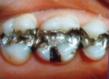 It is surprising how the controversy regarding mercury still continues, even though the research indicating that it is a lethal poison, is accumulating rapidly. This research has shown how detrimental mercury can be to the developing foetus, the newborn, the developing child and the adult. My intention here is to present a few research studies that will show the various detrimental effects of mercury at all stages of life.
The major topics covered will include:
- Is there a correlation between the number of amalgams and the amount of mercury excreted in the urine after provocation?
- Can dental mercury released from the mother be detected in the foetus?
- Can in utero exposure to mercury cause behavioural disturbances?
- Can mercury amalgam from lactating mothers affect the foetus in utero?
- Can heavy metals affect human fertility?
- Is mercury associated with cardiac dysfunction?
- Can dental mercury provoke an increase in antibiotic-resistant bacteria in oral and intestinal flora?
- Are there increased blood mercury levels in patients with Alzheimer's disease?
more information at: - detoxmetals
- chelation.htm
more discussion: Forum
· Addiction Forum · Ask the Doctors Forum · Ayurveda Forum · Ayurvedic & Thai Herbs Forum · Colon Cleansing Forum · Dental Forum · Diabetes Forum · Diet Forum · General Cleansing Forum · Hepatitis A, B. C Forum · Integrated Medicine Forum · Live Blood Analysis Forum · Ozone-Oxygen-Forum · pH - Alkaline - Acidity Forum · Weight Loss Forum
Heavy Metals & Health
 The word "heavy metal" to most people means a rock band. Heavy metals, however, are one of the most insidious health issues that our society is facing this century, mainly because these nasty toxic metals are just about everywhere on our planet, even in the North and South Poles!
Heavy metal poisoning is so common these days that it is literally impossible to avoid it, as even young newborns have been shown to have heavy metals as soon as they emerge from their mother's womb, as well as receive other metals such as mercury as soon as they are born - from breastfeeding.
A recent report published by Reuters from the Environmental Working Group showed that blood samples of umbilical blood taken by the American Red Cross from ten babies showed an average of 287 contaminants in the blood, including mercury, fire retardants, pesticides and the Teflon chemical PFOA.
Other similar research using neonates born in Greenland, has shown that even in this region of the world which we tend to think as being pristine clean, these babies had mercury, lead, and arsenic in their blood!
If babies are not born with heavy metals they can obtain them immediately when they start to breast feed. For example, research has shown a positive correlation between the level of mercury in mother's breast milk and the number of dental amalgams in their mouth.
The mean levels of mercury in milk of amalgam-free mothers was <>
Chemical & Heavy Metal Cleanse Starter Kit$149.85 The Chemical & Heavy Metal Starter Kit was designed by Dr. Group for individuals that are new to the cleansing process, or are simply looking for an easy-to-perform, cost effective cleanse program. The Heavy Metal Starter Kit is comprised of LIFE Detox Foot Patches™, NDF Plus™, and Quantum Zeolite™. |
Monday, December 18, 2006
WHAT MERCURY POISONING DOES TO YOU
 In an overall lifestyle sense, the fact that symptoms come and go leads to the victim having periods of weeks to years of being highly functional and productive, interspersed with periods of being nonproductive and having a hard time getting anything done. Life seems to progress in fits and starts. Great progress is made on projects which later get shelved for long periods.
As the disease continues, the productive periods become shorter, fewer, and farther between.
There are emotional changes in mercury poisoning. Depression slowly sets in. Victims feel fatigued and listless. They lack motivation - even for crucial tasks.
They lose interest in their surroundings and in their own life. They do not enjoy life, or experience happiness or joy. They experience constant fear e. g. of losing their job. They may be very tense. They feel hopeless. They have a sense of impending doom. Every small problem is discouraging. Minor difficulties seem overwhelming and insurmountable.
The altered emotional state of a mercury intoxicated person leads to impaired interpersonal relationships. They become increasingly irritable and sensitive, reacting strongly to relatively innocent remarks. They may not be able to take orders, instructions, or suggestions without losing their temper. They resent criticism and may interpret innocent remarks critically.
They may have an exaggerated response to stimulation and become fearful or anxious and nervous. They may project their fears and anxieties onto others, making inappropriate criticisms or attacks. They become shy and avoid dealing with strangers. While timid, they may unexpectedly lose self control with strangers. They may wish to visit with friends and family extensively, often wishing to engage in long, repetitive conversations, then withdraw for prolonged periods of time. They withdraw more and more from social contacts.
Intelligence gradually deteriorates. Previously bright persons become dull and slow in thinking. They suffer from a progressive decline specifically affecting short term memory as well as the faculties for logical reasoning. Thus their ability to do things like balance the checkbook, do math, or play chess suffers. They lose the ability to concentrate.
Memory problems may be more from distractability and inability to concentrate and pay enough attention to get things INTO their memory than an actual failure to remember things (thus they may complain of memory problems but do well on memory tests). They cease being motivated towards their work or other tasks. Thoughts become heavy, repetitive and pedantic. Creative thinking becomes progressively more difficult, eventually becoming impossible.
They become unable to select the right words to convey their meaning, and make stylistic and grammatical errors. Their ability to express themselves declines progressively.
There is a distinctive cognitive symptom of being unable to think clearly without great effort. The best description for people who have not experienced it is of a hangover without pain. People who have experienced it will recognize the term "brain fog" as entirely descriptive.
As the victim's level of intoxication waxes and wanes they go through periods of life when they do or do not dream. Dreaming may be in black and white.
Early physical symptoms include dizziness, tinnitus (ringing in the ears), insomnia, daytime drowsiness, loss of appetite, a tendency towards diarrhea - often alternating with constipation, cold hands and feet, a tendency towards sweating (some people have the opposite symptom and do not sweat at all), flushing or reddening of the skin - particularly on the face and neck. Some people blush frequently, but others do not blush at all. Asthma is a symptom of chronic mercury poisoning. Digestive disturbances are also common.
The skin becomes dry, athlete's foot and toenail fungus progress, and the insides of the ankles, particularly behind the ankle bone and a bit above it become dry, itchy, flaky and peel. This often becomes painful and annoying enough to keep the victim up at night. Even after fungus and yeast infection has been eliminated hyperkeratosis, often with papular erythema and itching are common.
The hair becomes thinner, dryer, duller, less strongly colored, slower growing, and more brittle.
The biological clock is disturbed. Waking up late and staying up late is more common than being an "early bird." Try as they might, the mercury poisoned person simply cannot control their circadian rhythm.
Victims may become photophobic and find bright light uncomfortable and unpleasant. There may be visual disturbances, including alterations in color perception leading to reduced sensitivity to the color red, or color blindness. The ability to focus on distant objects may be sporadically impaired. Peripheral vision may be reduced in the most severe cases.
The hands and feet often become distinctly cold. This can occur suddenly and is most distinctive when combined with sweating. Later in more severe poisoning they may also tingle or lose feeling.
The effects of mercury on the mouth are receding, sometimes spongy gums that bleed easily and teeth that are 'loose' in their sockets and can be wiggled very slightly. It also causes excessive salivation and unusually bad breath.
Mercury interferes with the sense of smell which becomes less acute, and later with hearing, in which perception of sounds does not diminish as notably as the patient's ability to understand and interpret them - e. g. to understand speech directed at them even though they hear it clearly.
Victims often experience discomfort that feels like a "tight band around their head." They may also experience sharp points of discomfort in their ear canals at bedtime.
Mercury also interferes with the body's ability to regulate temperature. Victims may alternate between being hot and cold when the temperature isn't changing, or have to wear more clothes than other people, or have more difficulty than other people in staying comfortable while the temperature changes. Temperature disregulation also leads to 'night sweats.'
more informations at: www.noamalgam.com/
Problems mercury can cause
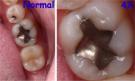 Mercury can cause a bewildering variety of problems. In fact, one of the major criticisms of amalgam illness is that it is cited as the cause of so many things.
But, like the parable of the blind men and the elephant, mercury can indeed cause many diseases. Modern physicians are not trained to find the root cause of a sick person's problems.
They are trained to translate what they see into latin, look it up in their textbook, and apply a cookbook treatment. With a toxin that poisons fundamental metabolic processes different people will experience different symptoms to start off, depending on their own individual biochemistry.
As the poisoning becomes more and more serious, further symptoms surface and the modern doctor adds more diagnoses - a patient who starts with depression might later be considered to have hypothyroidism, allergies and asthma in addition.
But no thought is given to why one person should develop more and more "diseases," when a single diagnosis - chronic mercury poisoning - could account for them all.
Some of the "diseases" a modern physician might mistakenly misdiagnose chronic mercury poisoning as are:
- Addison's disease
- Gastritis
- Allergies
- Hypogonadism
- Alzheimer's disease
- Hypothyroidism
- Amylotrophic lateral sclerosis
- Infertility
- Ankylosing spondylitis
- Insomnia
- Anorexia nervosa
- Irritable bowel syndrome
- Anxiety
- Juvenile rheumatoid arthritis
- Asthma
- Learning disabilities
- Attention-deficit / hyperactivity disorder
- Lupus erythromatosus
- Autoimmune disease
- Manic depressive illness
- Bipolar disorder
- Multiple Chemical Sensitivity
- Borderline personality disorder
- Multiple sclerosis
- Bulimia nervosa
- Myasthenia gravis
- Candidiasis
- Obsessive-compulsive disorder
- Chronic fatigue syndrome
- Panic attacks
- Colitis
- Parkinson's disease
- Crohn disease
- Pervasive developmental disorder
- Depression
- Psychosis
- Endocrine disorders
- Rheumatoid arthritis
- Environmental illness
- Schizophrenia
- Fibromyalgia
- Sciatica
- Food allergies
- Sleep disorders
- Yeast syndrome
Amalgam Illness: Diagnosis and Treatment is a practical guide to getting well. It does not stop at saying you MIGHT have mercury poisoning if you have one or more of these. It tells you how to find out. Quantitative diagnostic procedures are included so that you can decide whether your problems are due to mercury poisoning or not.
more informations at: www.noamalgam.com/
ACIDIC TOXIC SELF TEST
 ACIDIC TOXIC SELF TEST
Rate each of the following symptoms based upon your profile for the past 30 days:
POINT SCALE:
0=never or almost never have the symptom
1=occasionally have it, effect is not severe
2=occasionally have it, effect is severe
3=frequently have it, effect is not severe
4=frequently have it, effect is severe
DIGESTIVE
__ Nausea or vomiting
__ Diarrhea
__ Constipation
__ Bloated feeling
__ Belching, passing gas
__ Heartburn
__ TOTAL
EARS
__ Itchy ears
__ Earaches, ear infection
__ Drainage from ear
__ Ringing in ears hearing loss
__ TOTAL
EMOTIONS
__ Mood swings
__ Anxiety, fear, nervousness
__ Anger, irritability
__ Depression
__ TOTAL
ENERGY/ACTIVITY
__ Fatigue, sluggishness
__ Apathy, lethargy
__ Hyperactivity
__ Restlessness
__ TOTAL
EYES
__ Watery, itchy eyes
__ Swollen, reddened or sticky eyelids
__ Dark circles under eyes
__ Blurred/tunnel vision
__ TOTAL
HEAD
__ Headaches
__ Faintness
__ Dizziness
__ Insomnia
__ TOTAL
HEART
__ Skipped heartbeats
__ Rapid heartbeats
__ Chest pain
__ TOTAL
JOINTS/MUSCLES
__ Pain or aches in joints
__ Arthritis
__ Stiffness, Limited movement
__ Pain, aches in muscles
__ Feeling of weakness or tiredness
__ TOTAL
GRAND TOTAL = ____
LUNGS
__ Chest congestion
__ Asthma, bronchitis
__ Shortness of breath
__ Difficulty breathing
__ TOTAL
MIND
__ Poor memory
__ Confusion
__ Poor concentration
__ Difficulty making decisions
__ Stuttering, stammering
__ Slurred speech
__ Learning disabilities
__ TOTAL
MOUTH/THROAT
__ Chronic coughing
__ Gagging, frequent need to clear throat
__ Sore throat, hoarse
__ Swollen or discolored tongue, gums, or lips
__ Canker sores
__ TOTAL
NOSE
__ Stuffy nose
__ Sinus problems
__ Hay fever
__ Sneezing attacks
__ Excessive mucus
__ TOTAL
SKIN
__ Acne
__ Hives, rashes, dry skin
__ Hair loss
__ Flushing or hot flashes
__ Excessive sweating
__ TOTAL
WEIGHT
__ Binge eating/drinking
__ Craving certain foods
__ Excessive weight
__ Compulsive eating
__ Water retention
__ Underweight
__ TOTAL
OTHER
__ Frequent illness
__ Frequent or urgent urination
__ Genital itch, discharge
__ TOTAL
Add up the numbers to arrive at a total for each section, then add the totals for each section to arrive at the grand total. If any individual section total is 10 or more, or the grand total is 50 or more, you may benefit from the pH Miracle Living Program.
No one cares more about your health than you do!
McGowin, A., "Environmental Pollution," World Book Encyclopedia, 6, pp.330-340,1993.
Wodwell,G.M.,"GlobalChange," 1993 Science Year, pp.204-225,1993.
U.S. Environmental Protection Agency, ]991. Toxins in the Community: National and Local Perspectives, The 1989 Toxins Release Inventory National Report, Office of Toxic Substances, Washington, DC.
UltraBalance Workbook, A Personal Guide to Effective Weight Loss, HealthComm, Inc., P. III, (I988).
Applied Clinical Detoxification; A Physicians Sourcebook, HealthConim, Inc., pp. 1 3, (1990).
Allen, F.E., "Lonely Crusade: One Man's Suffering Spurs Doctors To Probe Interaction Between Pesticides and Drugs," The Wall Street JOurnal, October 14, 1991.
'Do You Know What Your Patients Eat?" Monograph, E. Cheraskin, W. Ringsdorf, Dept. Oral - Med., U. Alabama (I 976).
"Vitamin Supplementation: Adjunct to Health - A Position Paper for, the Industry," Hoffmann-La Roche Inc.
Rosenstock L, Keifer M., Daniel W.E. et al. Chronic central nervous system effects of acute organophosphate pesticide intoxication, Lancet 1991;338:223-27.
ph Miracle Center
Our Acidic Environment
Our Acidic Environment
"Environmental pollution is one of the most serious problems facing humanity today," states Alan McGowan, president of the Scientists' Institute for Public Information. Similarly, in an article entitled Global Change, scientist George M. Woodwell reported that scientists around the world believe that human activities are threatening the biosphere, the thin layer on the surface of the earth where life occurs. The biosphere maintains an incredible richness and variety of life, including human life, yet in the final part of our century humans are destroying the natural systems upon which life depends.
After living for thousands and thousands of years in chemical balance, mankind, in the last 100 years, has literally changed the chemistry of our environment through the progressive poisoning of nature with the chemical by-products of modern agriculture, industry, power generation, and transportation. The chemical changes these poisons cause are not confined to areas of local release. Scientists have found evidence of pollution everywhere on Earth, from the largest cities to the remote and isolated South Pole.
To give you an example of the quantity of poison we are exposed to each year, consider the following amounts released into the environment in 1989 alone:
Over 550,000,000 pounds of industrial chemicals were dumped into public sewage storage.
More than 1,000,000,000 pounds of chemicals were released into the ground, threatening our natural ground water sources.
Over 188,000,000 pounds of chemicals were discharged into surface waters, i.e. lakes and rivers.
More than 2,400,000,000 pounds of air emissions were pumped into the atmosphere.
The grand total of acidic chemical pollutants released into the environment was 5,705,670,380 pounds. That is enough to fill a line of semi-trailers parked bumper to bumper, and having a cargo capacity of 45,000 pounds each, stretching from downtown Los Angeles to Des Moines, Iowa!
You can imagine what conditions are like now more than 20 years later.
Acidic Toxins in Our Food
In the United States, we allow over 10,000 food and chemical additives into our food supply. The average American eats about 14 pounds of additives a year. in addition to colorings, preservatives, flavorings, emulsifiers, humectants, and antimicrobials, we consume on average 120 pounds of sugar and eight pounds of salt.
Internal Acidic Pollution
With the number of bacteria in the colon being estimated at 10,000,000,000 per gram of fecal material, it is suggested that we have a greater number of bacteria than we have human cells. These bacteria release acidic by-products which are all toxic.
Our Health May Be Adversely Affected!
Consider the example of Mr. Tomas Latimer, as reported in the Wall Street Journal. Hours after treating his lawn with a pesticide, he experienced dizziness, nausea and a pounding headache that intensified. Despite extensive medical care, he continued to get worse and now suffers from visual and concentration difficulties, speech impairment, nightmares, brain seizures and takes anti-epileptic medication. He no longer rides a bike and even has difficulty walking. The collective medical opinion was that an anti-ulcer medicine he was taking suppressed his liver's ability to detoxify the pesticide he was exposed to. With his natural defenses compromised, the poison carried out a potent and ongoing attack on his nervous system.
Mr. Latimer is not the only victim. Recent estimates suggest that each year there are 3,000,000 severe pesticide poisonings with 220,000 deaths worldwide.
Pesticide-related illnesses in the United States are estimated to occur between 150,000 and 300,000 times a year. This situation begs an important question!
What can we do to protect ourselves from the damaging effects caused by acidic toxins in our environment, food, or even internal acidic pollution?
Adequate Nutrition is Essential for Effective Detoxification
The body goes through a continuous cycle of activity in an effort to protect itself from the adverse effects of toxicity. This detoxification cycle is critically dependent on adequate nutrition.
An alarming trend has developed in the last two decades; people may not be adequately nourished by the average American diet. After analyzing over 15,000 people, one study reported that "84% of the subjects are consuming sub-optimal diets with regard to one or more of the 17 nutrients evaluated."
To learn more about an alkaline pH Miracle Lifestyle and Diet go to: http://www.blogger.com/www.phmiracleliving.com
"Environmental pollution is one of the most serious problems facing humanity today," states Alan McGowan, president of the Scientists' Institute for Public Information. Similarly, in an article entitled Global Change, scientist George M. Woodwell reported that scientists around the world believe that human activities are threatening the biosphere, the thin layer on the surface of the earth where life occurs. The biosphere maintains an incredible richness and variety of life, including human life, yet in the final part of our century humans are destroying the natural systems upon which life depends.
After living for thousands and thousands of years in chemical balance, mankind, in the last 100 years, has literally changed the chemistry of our environment through the progressive poisoning of nature with the chemical by-products of modern agriculture, industry, power generation, and transportation. The chemical changes these poisons cause are not confined to areas of local release. Scientists have found evidence of pollution everywhere on Earth, from the largest cities to the remote and isolated South Pole.
To give you an example of the quantity of poison we are exposed to each year, consider the following amounts released into the environment in 1989 alone:
Over 550,000,000 pounds of industrial chemicals were dumped into public sewage storage.
More than 1,000,000,000 pounds of chemicals were released into the ground, threatening our natural ground water sources.
Over 188,000,000 pounds of chemicals were discharged into surface waters, i.e. lakes and rivers.
More than 2,400,000,000 pounds of air emissions were pumped into the atmosphere.
The grand total of acidic chemical pollutants released into the environment was 5,705,670,380 pounds. That is enough to fill a line of semi-trailers parked bumper to bumper, and having a cargo capacity of 45,000 pounds each, stretching from downtown Los Angeles to Des Moines, Iowa!
You can imagine what conditions are like now more than 20 years later.
Acidic Toxins in Our Food
In the United States, we allow over 10,000 food and chemical additives into our food supply. The average American eats about 14 pounds of additives a year. in addition to colorings, preservatives, flavorings, emulsifiers, humectants, and antimicrobials, we consume on average 120 pounds of sugar and eight pounds of salt.
Internal Acidic Pollution
With the number of bacteria in the colon being estimated at 10,000,000,000 per gram of fecal material, it is suggested that we have a greater number of bacteria than we have human cells. These bacteria release acidic by-products which are all toxic.
Our Health May Be Adversely Affected!
Consider the example of Mr. Tomas Latimer, as reported in the Wall Street Journal. Hours after treating his lawn with a pesticide, he experienced dizziness, nausea and a pounding headache that intensified. Despite extensive medical care, he continued to get worse and now suffers from visual and concentration difficulties, speech impairment, nightmares, brain seizures and takes anti-epileptic medication. He no longer rides a bike and even has difficulty walking. The collective medical opinion was that an anti-ulcer medicine he was taking suppressed his liver's ability to detoxify the pesticide he was exposed to. With his natural defenses compromised, the poison carried out a potent and ongoing attack on his nervous system.
Mr. Latimer is not the only victim. Recent estimates suggest that each year there are 3,000,000 severe pesticide poisonings with 220,000 deaths worldwide.
Pesticide-related illnesses in the United States are estimated to occur between 150,000 and 300,000 times a year. This situation begs an important question!
What can we do to protect ourselves from the damaging effects caused by acidic toxins in our environment, food, or even internal acidic pollution?
Adequate Nutrition is Essential for Effective Detoxification
The body goes through a continuous cycle of activity in an effort to protect itself from the adverse effects of toxicity. This detoxification cycle is critically dependent on adequate nutrition.
An alarming trend has developed in the last two decades; people may not be adequately nourished by the average American diet. After analyzing over 15,000 people, one study reported that "84% of the subjects are consuming sub-optimal diets with regard to one or more of the 17 nutrients evaluated."
To learn more about an alkaline pH Miracle Lifestyle and Diet go to: http://www.blogger.com/www.phmiracleliving.com
Thursday, December 14, 2006
New Year-Round Contraceptive Pill Safe and Effective
(HealthDay News) -- A new year-round contraceptive pill called Lybrel, which eliminates menstrual cycles altogether, appears to be safe and effective, researchers report.
Lybrel is not yet approved by the U.S. Food and Drug Administration, but a decision is expected next year. Currently, there are contraceptives available that reduce the number of menstrual periods to four a year, but this is the first study that shows it is safe to eliminate menstrual periods.
The report is published in the December issue of Contraception.
"One advantage to using this pill is that you take one pill regularly with the expectation that you are not going to have a regular menstrual bleeding period," said lead researcher Dr. David F. Archer, a professor of obstetrics and gynecology at Eastern Virginia Medical School.
The downside is that some women who use this pill will have some bleeding or spotting, Archer said. "You get rid of the anticipated menstrual period, but you replace it with some erratic, unpredictable bleeding or spotting," he said. "So, this is a group of women who are going to be willing to put up with that type of nuisance bleeding."
This unpredictable bleeding and/or spotting affects about 20 percent of the women taking the pill after a year, and it can last up to six days, Archer said. "It's impossible to predict which women will have bleeding and spotting," he added. However, it is the main reason that 18.5 percent of the women of the 8 percent who quit the study quit, he noted.
Another benefit to this pill is the elimination of menstrual cycle-related symptoms, such as mood changes, menstrual cramps and headaches, Archer said.
In the study, which was conducted at 92 sites in North America, Archer's group used a birth-control pill consisting of 20 micrograms of ethinyl estradiol and 90 micrograms of levonorgestrel. The pill was developed by Wyeth Pharmaceuticals.
The researchers gave the pill to 2,134 sexually active women, aged 18 to 49. The women took a pill daily without any breaks.
During the 18 months of the study, the number of days of bleeding decreased progressively. After one year, 79 percent of the women reported an absence of bleeding. Moreover, 58.7 percent of the women reported having no menstrual cycles.
In addition, only about one woman out of a hundred will become pregnant while taking the pill, Archer said.
One expert says that because of the incidences of bleeding, this pill isn't for every woman.
"The main advantage is that this continuous pill provides a lower dose than other continuous oral contraceptive pills like, Seasonale," said Dr. Philip D. Darney, chief of Obstetrics, Gynecology and Reproductive Sciences at San Francisco General Hospital and the University of California, San Francisco.
"Women who want to avoid menses and take a pill continuously, which for some women may provide greater efficacy and fewer side effects, will be able to use an 'ultra low-dose' pill, which may have some advantages for rare adverse effects of oral contraceptives, like thrombosis," Archer said. "Still, the main reason for stopping this pill was bleeding disruptions, so, it won't suit all pill users."
Another expert is concerned with the high number of women who continued to experience bleeding while taking the pill.
"I think continuous contraception is a great idea," said Dr. Camelia Davtyan, an assistant professor of medicine at the University of California, Los Angeles. "Nevertheless, the rate of uterine bleeding-related complications is quite high."
Davtyan thinks that to really test its efficacy, this new pill should be tested against the standard birth-control pill in a clinical trial. In addition, she said she is concerned that nothing is known about any side effects from the long-term use of this pill.
More information
The U.S. Food and Drug Administration can tell you more about birth control.
Lybrel is not yet approved by the U.S. Food and Drug Administration, but a decision is expected next year. Currently, there are contraceptives available that reduce the number of menstrual periods to four a year, but this is the first study that shows it is safe to eliminate menstrual periods.
The report is published in the December issue of Contraception.
"One advantage to using this pill is that you take one pill regularly with the expectation that you are not going to have a regular menstrual bleeding period," said lead researcher Dr. David F. Archer, a professor of obstetrics and gynecology at Eastern Virginia Medical School.
The downside is that some women who use this pill will have some bleeding or spotting, Archer said. "You get rid of the anticipated menstrual period, but you replace it with some erratic, unpredictable bleeding or spotting," he said. "So, this is a group of women who are going to be willing to put up with that type of nuisance bleeding."
This unpredictable bleeding and/or spotting affects about 20 percent of the women taking the pill after a year, and it can last up to six days, Archer said. "It's impossible to predict which women will have bleeding and spotting," he added. However, it is the main reason that 18.5 percent of the women of the 8 percent who quit the study quit, he noted.
Another benefit to this pill is the elimination of menstrual cycle-related symptoms, such as mood changes, menstrual cramps and headaches, Archer said.
In the study, which was conducted at 92 sites in North America, Archer's group used a birth-control pill consisting of 20 micrograms of ethinyl estradiol and 90 micrograms of levonorgestrel. The pill was developed by Wyeth Pharmaceuticals.
The researchers gave the pill to 2,134 sexually active women, aged 18 to 49. The women took a pill daily without any breaks.
During the 18 months of the study, the number of days of bleeding decreased progressively. After one year, 79 percent of the women reported an absence of bleeding. Moreover, 58.7 percent of the women reported having no menstrual cycles.
In addition, only about one woman out of a hundred will become pregnant while taking the pill, Archer said.
One expert says that because of the incidences of bleeding, this pill isn't for every woman.
"The main advantage is that this continuous pill provides a lower dose than other continuous oral contraceptive pills like, Seasonale," said Dr. Philip D. Darney, chief of Obstetrics, Gynecology and Reproductive Sciences at San Francisco General Hospital and the University of California, San Francisco.
"Women who want to avoid menses and take a pill continuously, which for some women may provide greater efficacy and fewer side effects, will be able to use an 'ultra low-dose' pill, which may have some advantages for rare adverse effects of oral contraceptives, like thrombosis," Archer said. "Still, the main reason for stopping this pill was bleeding disruptions, so, it won't suit all pill users."
Another expert is concerned with the high number of women who continued to experience bleeding while taking the pill.
"I think continuous contraception is a great idea," said Dr. Camelia Davtyan, an assistant professor of medicine at the University of California, Los Angeles. "Nevertheless, the rate of uterine bleeding-related complications is quite high."
Davtyan thinks that to really test its efficacy, this new pill should be tested against the standard birth-control pill in a clinical trial. In addition, she said she is concerned that nothing is known about any side effects from the long-term use of this pill.
More information
The U.S. Food and Drug Administration can tell you more about birth control.
Studies Support Flu Vaccine's Effectiveness
(HealthDay News) -- Two new studies provide encouraging news about the flu vaccine.
The first found that even when circulating strains of the virus don't perfectly match those included in that year's immunization, the vaccine still provides protection against flu.
The second study found that a school-based immunization program is an effective way to deliver the vaccine, and vaccinating children appears to protect other non-immunized family members against the flu as well.
"These findings are very reassuring and tell us that this vaccine is doing what we hoped it would be doing," said the senior author of the first study, Dr. Arnold S. Monto, a professor of epidemiology at the University of Michigan School of Public Health in Ann Arbor.
Both studies appear in the Dec. 14 issue of the New England Journal of Medicine.
Every year, as many as 20 percent of all Americans are infected with the influenza virus, according to the U.S. Centers for Disease Control and Prevention. Aside from the muscle aches, fever, headache and general misery that the flu is so well known for, the virus can also cause serious complications, including ear infections, pneumonia and dehydration. About 200,000 people are hospitalized each year due to flu complications, and as many as 36,000 die each year from this viral infection, reports the CDC.
There are numerous strains of the flu virus, and these strains are constantly changing. As a result, the vaccine changes annually. Each year, the seasonal flu vaccine includes what health experts expect will be the three top strains circulating that year. While often quite accurate, the vaccine doesn't always match the strains that end up circulating in any given season.
Estimates of the vaccine's efficacy are based largely on studies done with military personnel in years when the vaccine closely matched the flu going around that year. To better assess what happens on a community level, Monto and his colleagues began a three-year study in the 2004-2005 flu season. The current study includes data from the first year of the study.
That year, their study included 1,247 healthy adults who were vaccinated -- either with the live vaccine given nasally or the inactive vaccine which is given by injection -- between October 2004 and December 2004. If someone became ill anytime after receiving the vaccination until May 2005, they were given a throat swab so that the researchers could confirm influenza infection.
Even though the strains that circulated during the 2004-2005 flu season differed somewhat from the strains included in the vaccine, the inactive vaccine was still up to 77 percent effective, the researchers report, and the live vaccine was up to 57 percent effective in preventing flu.
"We've got two effective flu vaccines. In this particular year, the inactivated vaccine worked somewhat better than the live attenuated vaccine in adults," said Monto. He added that, in children, the live vaccine may prove to be more effective.
The second study compared children who participated in a school-based immunization program to kids from schools that did not. Children from 28 elementary schools in Maryland, Minnesota, Texas and Washington were included in the study. Eleven schools from that group were chosen as "intervention schools," and all healthy children over the age of five were offered the live nasal-spray vaccine. The remaining schools did not offer such programs and served as controls.
Using surveillance data, the researchers predicted what the peak week of influenza season would be. They also had parents answer questionnaires about what symptoms, if any, they and their children were experiencing, what medications they had purchased, and any doctor visits, missed school or work days they had logged.
The team found a significant reduction in influenza-like illnesses in both adults and children from households with a vaccinated child compared to the non-vaccinated households. The researchers also saw significantly fewer numbers of medical office visits, lowered use of prescription and over-the-counter medications and a reduction in missed school days by elementary and high-school children in the vaccinated households.
"Kids are the primary transmitters of flu to the community," explained the study's lead author, Dr. James King, a professor of pediatrics at the University of Maryland School of Medicine in Baltimore. "I think the influenza vaccine should be recommended for all children. Not only does the vaccine protect the children given the immunization but also the other family members."
He added that the school-based program was very effective and said that schools could be "a very viable adjunct" to vaccine distribution.
More information
To learn more about flu vaccine, visit the U.S. Centers for Disease Control and Prevention.
The first found that even when circulating strains of the virus don't perfectly match those included in that year's immunization, the vaccine still provides protection against flu.
The second study found that a school-based immunization program is an effective way to deliver the vaccine, and vaccinating children appears to protect other non-immunized family members against the flu as well.
"These findings are very reassuring and tell us that this vaccine is doing what we hoped it would be doing," said the senior author of the first study, Dr. Arnold S. Monto, a professor of epidemiology at the University of Michigan School of Public Health in Ann Arbor.
Both studies appear in the Dec. 14 issue of the New England Journal of Medicine.
Every year, as many as 20 percent of all Americans are infected with the influenza virus, according to the U.S. Centers for Disease Control and Prevention. Aside from the muscle aches, fever, headache and general misery that the flu is so well known for, the virus can also cause serious complications, including ear infections, pneumonia and dehydration. About 200,000 people are hospitalized each year due to flu complications, and as many as 36,000 die each year from this viral infection, reports the CDC.
There are numerous strains of the flu virus, and these strains are constantly changing. As a result, the vaccine changes annually. Each year, the seasonal flu vaccine includes what health experts expect will be the three top strains circulating that year. While often quite accurate, the vaccine doesn't always match the strains that end up circulating in any given season.
Estimates of the vaccine's efficacy are based largely on studies done with military personnel in years when the vaccine closely matched the flu going around that year. To better assess what happens on a community level, Monto and his colleagues began a three-year study in the 2004-2005 flu season. The current study includes data from the first year of the study.
That year, their study included 1,247 healthy adults who were vaccinated -- either with the live vaccine given nasally or the inactive vaccine which is given by injection -- between October 2004 and December 2004. If someone became ill anytime after receiving the vaccination until May 2005, they were given a throat swab so that the researchers could confirm influenza infection.
Even though the strains that circulated during the 2004-2005 flu season differed somewhat from the strains included in the vaccine, the inactive vaccine was still up to 77 percent effective, the researchers report, and the live vaccine was up to 57 percent effective in preventing flu.
"We've got two effective flu vaccines. In this particular year, the inactivated vaccine worked somewhat better than the live attenuated vaccine in adults," said Monto. He added that, in children, the live vaccine may prove to be more effective.
The second study compared children who participated in a school-based immunization program to kids from schools that did not. Children from 28 elementary schools in Maryland, Minnesota, Texas and Washington were included in the study. Eleven schools from that group were chosen as "intervention schools," and all healthy children over the age of five were offered the live nasal-spray vaccine. The remaining schools did not offer such programs and served as controls.
Using surveillance data, the researchers predicted what the peak week of influenza season would be. They also had parents answer questionnaires about what symptoms, if any, they and their children were experiencing, what medications they had purchased, and any doctor visits, missed school or work days they had logged.
The team found a significant reduction in influenza-like illnesses in both adults and children from households with a vaccinated child compared to the non-vaccinated households. The researchers also saw significantly fewer numbers of medical office visits, lowered use of prescription and over-the-counter medications and a reduction in missed school days by elementary and high-school children in the vaccinated households.
"Kids are the primary transmitters of flu to the community," explained the study's lead author, Dr. James King, a professor of pediatrics at the University of Maryland School of Medicine in Baltimore. "I think the influenza vaccine should be recommended for all children. Not only does the vaccine protect the children given the immunization but also the other family members."
He added that the school-based program was very effective and said that schools could be "a very viable adjunct" to vaccine distribution.
More information
To learn more about flu vaccine, visit the U.S. Centers for Disease Control and Prevention.
Saturday, December 09, 2006
Health Tip: When Braces Cause Discomfort
(HealthDay News) -- Orthodontic braces may be painful by themselves, or they may rub the cheek, lip or tongue, and cause sores.
Here's what a person with braces can do to stay more comfortable, courtesy of the American Association of Orthodontists.
If teeth are sore and eating is difficult, try rinsing the mouth with warm salt water, eating only soft foods, and taking an over-the-counter pain reliever.
If a mouth sore develops, try covering a portion of the appliance with orthodontic wax. You can also apply a topical anesthetic to the sore area, the association says.
Here's what a person with braces can do to stay more comfortable, courtesy of the American Association of Orthodontists.
If teeth are sore and eating is difficult, try rinsing the mouth with warm salt water, eating only soft foods, and taking an over-the-counter pain reliever.
If a mouth sore develops, try covering a portion of the appliance with orthodontic wax. You can also apply a topical anesthetic to the sore area, the association says.
Gum Disease Doesn't Affect Birth Outcomes
(HealthDay News) -- The health of an expectant mom's gums does not affect her odds for premature delivery or delivering a low-birth-weight baby, a new study suggests.
The finding runs counter to previous studies that have suggested that the inflammation associated with periodontal (gum) disease may be a factor in "preemie" deliveries.
"Periodontal therapy delivered between 13 and 21 weeks [of pregnancy] is safe and effective, but there's no evidence that it affects birth outcomes," said the study's lead author, Dr. Bryan Michalowicz, an associated professor in the department of developmental and surgical sciences at the University of Minnesota in Minneapolis.
His team published its findings in the Nov. 2 issue of the New England Journal of Medicine.
More than one in 10 infants in the United States is born prematurely, according to background information in the study. Babies born prematurely or at low birth weight are at increased risk of death, neurological problems, cognitive difficulties and behavioral disorders.
Since previous studies have linked prematurity to periodontal disease, Michalowicz and his colleagues wanted to learn if treating the diseased gums of pregnant women could affect the outcome of their pregnancies.
To answer that question, they recruited 823 pregnant women diagnosed with periodontal disease.
Between 13 and 21 weeks gestation, 413 of the study volunteers underwent treatment for gum disease. This treatment is known as scaling and root planing. For this procedure, periodontists remove plaque from underneath the gum line down to the roots of the teeth.
The remaining 410 women received no treatment.
Treating periodontal disease in these pregnant women caused no serious adverse reactions. However, the treatment did not appear to help with either prematurity or low birth weight.
Twelve percent of the women in the treatment group delivered prematurely vs. 12.8 percent of the women in the control group -- not a statistically significant difference, according to the researchers. The number of babies born small for their gestational age didn't differ greatly either -- 12.7 percent for the treatment group vs. 12.3 percent for the control group.
Dr. Robert Goldenberg, a professor of obstetrics and gynecology at Drexel University in Philadelphia, said he still believes periodontal disease plays some role in prematurity because it starts an inflammatory process. However, he added that prematurity is a complex problem that likely has many causes.
"All the current study says is that a single-bullet approach [treating gum disease] doesn't seem to work," said Goldenberg, who also co-authored an accompanying editorial in the same issue of the journal.
"You have to look at all of the risk factors, not just one, and reduce as many as possible," Goldenberg said. He advised women who were pregnant or thinking about becoming pregnant to treat periodontal disease, stop smoking, treat any existing vaginal infections and to reduce stress as much as possible, to help increase the odds of having a full-term baby.
He also noted that the timing of the treatment in this study may have affected the outcome and that treatment of gum disease prior to pregnancy might have more of an effect on birth outcomes.
"Women should have routine dental care all the time. One of the things this study did show is that even scaling and root planing don't seem to have any safety issues associated with it.
There's no reason not to get appropriate dental care during pregnancy; it's just not likely to reduce prematurity," concluded Goldenberg.
More information
To learn more about periodontal disease, visit the American Academy of Periodontology.
The finding runs counter to previous studies that have suggested that the inflammation associated with periodontal (gum) disease may be a factor in "preemie" deliveries.
"Periodontal therapy delivered between 13 and 21 weeks [of pregnancy] is safe and effective, but there's no evidence that it affects birth outcomes," said the study's lead author, Dr. Bryan Michalowicz, an associated professor in the department of developmental and surgical sciences at the University of Minnesota in Minneapolis.
His team published its findings in the Nov. 2 issue of the New England Journal of Medicine.
More than one in 10 infants in the United States is born prematurely, according to background information in the study. Babies born prematurely or at low birth weight are at increased risk of death, neurological problems, cognitive difficulties and behavioral disorders.
Since previous studies have linked prematurity to periodontal disease, Michalowicz and his colleagues wanted to learn if treating the diseased gums of pregnant women could affect the outcome of their pregnancies.
To answer that question, they recruited 823 pregnant women diagnosed with periodontal disease.
Between 13 and 21 weeks gestation, 413 of the study volunteers underwent treatment for gum disease. This treatment is known as scaling and root planing. For this procedure, periodontists remove plaque from underneath the gum line down to the roots of the teeth.
The remaining 410 women received no treatment.
Treating periodontal disease in these pregnant women caused no serious adverse reactions. However, the treatment did not appear to help with either prematurity or low birth weight.
Twelve percent of the women in the treatment group delivered prematurely vs. 12.8 percent of the women in the control group -- not a statistically significant difference, according to the researchers. The number of babies born small for their gestational age didn't differ greatly either -- 12.7 percent for the treatment group vs. 12.3 percent for the control group.
Dr. Robert Goldenberg, a professor of obstetrics and gynecology at Drexel University in Philadelphia, said he still believes periodontal disease plays some role in prematurity because it starts an inflammatory process. However, he added that prematurity is a complex problem that likely has many causes.
"All the current study says is that a single-bullet approach [treating gum disease] doesn't seem to work," said Goldenberg, who also co-authored an accompanying editorial in the same issue of the journal.
"You have to look at all of the risk factors, not just one, and reduce as many as possible," Goldenberg said. He advised women who were pregnant or thinking about becoming pregnant to treat periodontal disease, stop smoking, treat any existing vaginal infections and to reduce stress as much as possible, to help increase the odds of having a full-term baby.
He also noted that the timing of the treatment in this study may have affected the outcome and that treatment of gum disease prior to pregnancy might have more of an effect on birth outcomes.
"Women should have routine dental care all the time. One of the things this study did show is that even scaling and root planing don't seem to have any safety issues associated with it.
There's no reason not to get appropriate dental care during pregnancy; it's just not likely to reduce prematurity," concluded Goldenberg.
More information
To learn more about periodontal disease, visit the American Academy of Periodontology.
Friday, December 08, 2006
Parents Key to Protecting Teen Drivers: Experts
(HealthDay News) -- American parents could be doing more to cut the teen death toll on the country's roads, a new report finds.
In The Teen Driver, a new policy update by the American Academy of Pediatrics (AAP), experts call for parents to serve as driving role models while ensuring that their children get adequate supervised on-the-road training.
Parents who limit or prohibit newly-licensed teens from driving at night or driving unsupervised with adolescent peers are key to saving kids' lives, according to the AAP statement published in the December 2006 issue of Pediatrics.
"The number one issue here is parental involvement," said statement lead author Dr. Jeffrey Weiss, head of general pediatrics at Phoenix Children's Hospital and a member of AAP's Committee on Injury, Violence and Poison Prevention.
"We want parents to understand that young novice drivers -- the 16- and 17-year-olds -- have some limitations in their abilities based on their age, so when parents place restrictions on their driving, that keeps them out of dangerous situations," said Weiss.
Summarizing various study conclusions, the AAP report highlights disturbing national statistics.
According to the AAP, auto accidents are now the leading cause of death for Americans between the ages of 16 and 20, killing 5,500 young people annually. Two-thirds of victims are boys.
As well, while the 12 million adolescent drivers make up just 6 percent of the driving population, they constitute 14 percent of deadly crashes. Accident risk is highest among the youngest of these drivers -- with 16-year-olds being almost 9 times more likely to crash than the general driving public.
Additionally, 450,000 teens are injured each year in car crashes, and 27,000 are hospitalized as a result.
Adolescents, by virtue of their age, are not yet fully capable of spotting hazardous situations or controlling a car, especially when driving fast, the AAP experts noted. They pointed to MRI-based brain research that suggests that poor driving among teens may be linked to a lack of maturity in parts of the brain responsible for planning, impulse control, and decision-making.
These areas in the brain's prefrontal cortex are thought to develop fully by the early to mid-20s.
Social pressures add to this dangerous mix, particularly for boys, who often associate fast driving with masculinity, the AAP said.
Teens drivers are also more prone to engage in risk-taking behavior and to overestimate their abilities, the committee said.
The report goes on to highlight the most hazardous teen driving habits.
"The most dangerous way a teenager can get to and from school is by driving in a car with a teenaged driver," the panel noted.
A 16- or 17-year-old has a 40 percent greater risk of crashing when he or she is driving with a peer. That risk doubles when driving with two peers, and quadruples with driving with three or more peers.
Similarly, the panel found that teens who drive at night are asking for trouble. Several states have already set up laws to restrict driving after midnight among teens, but the AAP called this legislation insufficiently protective.
Fatigue, speeding, alcohol use and a lack of experience leave 16- and 17-year-old teens much more likely to crash at night than any other age group, the AAP experts noted. Nearly 60 percent of such fatal nighttime crashes occur in the three hours before midnight.
The report did contain some good news: Americans teens actually drink and drive less frequently than adults. When teens do drink and drive, they still are more likely to crash than adults, however.
Still, prevention efforts are paying off when it comes to drinking and driving among teens. According to the AAP, fatal alcohol-linked car crashes among 16- and 17-year-olds fell by 60 percent between 1982 and 2001.
Teens do practice slightly lower rates of seat belt use compared to adults, and their tendency to drive older, smaller cars elevates their car accident risk. As well, teens are just as susceptible to dangerous distractions such as cell-phone use and eating while driving.
Weiss and his panel lauded recent efforts by states to institute "Graduated Driver
Licensing" (GDL).
These programs create an intermediate stage between a learner's permit and full licensing, during which a teen must drive infraction-free and prove competency. GDL laws in some states also restrict nighttime driving and peer-passenger driving among adolescents.
But the role of parents in all of this remains key, the AAP said.
The new policy statement directs parents to serve as both model drivers as well as driving instructors and supervisors.
Additionally, parents should play a role in choosing a safe vehicle for their child and in controlling access to that vehicle.
Once a license is obtained, nighttime driving and peer-driving restrictions should be put in place and punishments established for breaking the rules, they suggested.
"It's scary the first time you see your 16-year-old drive off alone," said Weiss. "Believe me. I know. But I also know that a lot of adults have this concept that teen crashes are the result of reckless drunken driving with lots of kids in the car, and that's just not true."
"Many of the fatal crashes are caused by irresponsible driving, but many, many, many more teen crashes occur because the kids just don't have the executive decision-making capacity at that early age," he said. "So, it's not that they're being bad, it's just that they don't have the ability to make certain judgments fast so that they can drive safely. So parents have to step in."
Dr. Karen Sheehan, medical director of the Injury Prevention and Research at Chicago's Children's Memorial Hospital, expressed support for the policy recommendations.
"What I like about it is that it's a very practical approach for parents to use to keeping their kids safe," she said Sheehan, who is also medical director for Chicago's Injury-Free Coalition for Kids. "They're not saying 'don't let teens drive.' But they're saying, 'let's help them do it in a safe way.' "
"Parents play a big role in keeping their kids safe," Sheehan added. "And this statement strengthens the notion that parents should be actively involved in the process to do just that."
More information
There's more on safer teen driving at the National Safety Council.
In The Teen Driver, a new policy update by the American Academy of Pediatrics (AAP), experts call for parents to serve as driving role models while ensuring that their children get adequate supervised on-the-road training.
Parents who limit or prohibit newly-licensed teens from driving at night or driving unsupervised with adolescent peers are key to saving kids' lives, according to the AAP statement published in the December 2006 issue of Pediatrics.
"The number one issue here is parental involvement," said statement lead author Dr. Jeffrey Weiss, head of general pediatrics at Phoenix Children's Hospital and a member of AAP's Committee on Injury, Violence and Poison Prevention.
"We want parents to understand that young novice drivers -- the 16- and 17-year-olds -- have some limitations in their abilities based on their age, so when parents place restrictions on their driving, that keeps them out of dangerous situations," said Weiss.
Summarizing various study conclusions, the AAP report highlights disturbing national statistics.
According to the AAP, auto accidents are now the leading cause of death for Americans between the ages of 16 and 20, killing 5,500 young people annually. Two-thirds of victims are boys.
As well, while the 12 million adolescent drivers make up just 6 percent of the driving population, they constitute 14 percent of deadly crashes. Accident risk is highest among the youngest of these drivers -- with 16-year-olds being almost 9 times more likely to crash than the general driving public.
Additionally, 450,000 teens are injured each year in car crashes, and 27,000 are hospitalized as a result.
Adolescents, by virtue of their age, are not yet fully capable of spotting hazardous situations or controlling a car, especially when driving fast, the AAP experts noted. They pointed to MRI-based brain research that suggests that poor driving among teens may be linked to a lack of maturity in parts of the brain responsible for planning, impulse control, and decision-making.
These areas in the brain's prefrontal cortex are thought to develop fully by the early to mid-20s.
Social pressures add to this dangerous mix, particularly for boys, who often associate fast driving with masculinity, the AAP said.
Teens drivers are also more prone to engage in risk-taking behavior and to overestimate their abilities, the committee said.
The report goes on to highlight the most hazardous teen driving habits.
"The most dangerous way a teenager can get to and from school is by driving in a car with a teenaged driver," the panel noted.
A 16- or 17-year-old has a 40 percent greater risk of crashing when he or she is driving with a peer. That risk doubles when driving with two peers, and quadruples with driving with three or more peers.
Similarly, the panel found that teens who drive at night are asking for trouble. Several states have already set up laws to restrict driving after midnight among teens, but the AAP called this legislation insufficiently protective.
Fatigue, speeding, alcohol use and a lack of experience leave 16- and 17-year-old teens much more likely to crash at night than any other age group, the AAP experts noted. Nearly 60 percent of such fatal nighttime crashes occur in the three hours before midnight.
The report did contain some good news: Americans teens actually drink and drive less frequently than adults. When teens do drink and drive, they still are more likely to crash than adults, however.
Still, prevention efforts are paying off when it comes to drinking and driving among teens. According to the AAP, fatal alcohol-linked car crashes among 16- and 17-year-olds fell by 60 percent between 1982 and 2001.
Teens do practice slightly lower rates of seat belt use compared to adults, and their tendency to drive older, smaller cars elevates their car accident risk. As well, teens are just as susceptible to dangerous distractions such as cell-phone use and eating while driving.
Weiss and his panel lauded recent efforts by states to institute "Graduated Driver
Licensing" (GDL).
These programs create an intermediate stage between a learner's permit and full licensing, during which a teen must drive infraction-free and prove competency. GDL laws in some states also restrict nighttime driving and peer-passenger driving among adolescents.
But the role of parents in all of this remains key, the AAP said.
The new policy statement directs parents to serve as both model drivers as well as driving instructors and supervisors.
Additionally, parents should play a role in choosing a safe vehicle for their child and in controlling access to that vehicle.
Once a license is obtained, nighttime driving and peer-driving restrictions should be put in place and punishments established for breaking the rules, they suggested.
"It's scary the first time you see your 16-year-old drive off alone," said Weiss. "Believe me. I know. But I also know that a lot of adults have this concept that teen crashes are the result of reckless drunken driving with lots of kids in the car, and that's just not true."
"Many of the fatal crashes are caused by irresponsible driving, but many, many, many more teen crashes occur because the kids just don't have the executive decision-making capacity at that early age," he said. "So, it's not that they're being bad, it's just that they don't have the ability to make certain judgments fast so that they can drive safely. So parents have to step in."
Dr. Karen Sheehan, medical director of the Injury Prevention and Research at Chicago's Children's Memorial Hospital, expressed support for the policy recommendations.
"What I like about it is that it's a very practical approach for parents to use to keeping their kids safe," she said Sheehan, who is also medical director for Chicago's Injury-Free Coalition for Kids. "They're not saying 'don't let teens drive.' But they're saying, 'let's help them do it in a safe way.' "
"Parents play a big role in keeping their kids safe," Sheehan added. "And this statement strengthens the notion that parents should be actively involved in the process to do just that."
More information
There's more on safer teen driving at the National Safety Council.
Subscribe to:
Posts (Atom)
Dr. Group's Secret to Health Kit$39.94 Dr. Group's Secret to Health Kit offers simple at-home solutions for cleansing internally and externally thereby reducing toxins, restoring the body's natural healing process, and helping you achieve true health and happiness. |
Advanced Body Cleansing Kit$147.75 Advanced Body Cleansing Kit with Livatrex™, Oxy-Powder®, Latero-Flora™ and two bottles of ParaTrex®. |